
The Climate Crisis: Coming to a City Near You
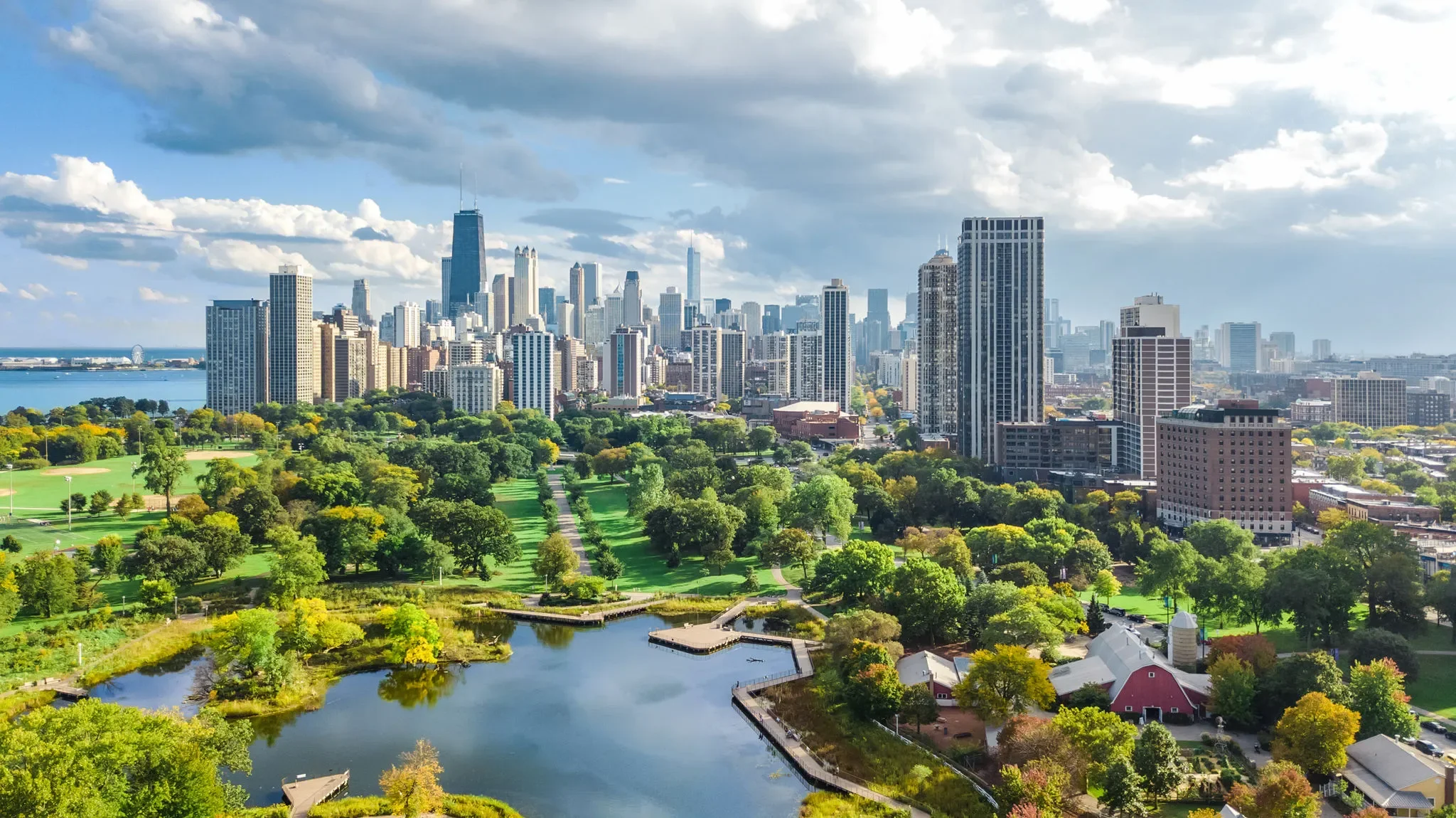
Photo by Iuliia Sokolovska
When we think about climate change, things like melting glaciers and warmer winters usually come to mind. When we think about solutions, we often turn to renewable energy, forest conservation, and carbon capture. But what if some of the most impactful solutions are in the designs of cities and neighborhoods we live in and walk through every day?
Enter urban planning.
At the most basic level, urban planning is the process of deciding how cities are built. It encompasses everything from how many parks there are to the accessibility of public transportation. As cities around the world continue to grow, urban planning becomes increasingly more important in mitigating the effects of climate change.
Ever notice how much hotter you feel walking on a city sidewalk than in a nearby park? That’s partly because of the urban heat island effect. Buildings, roads, and other dark or concrete surfaces absorb and retain heat. Planting more trees and investing in green spaces can help keep neighborhoods cool, in addition to improving air quality and helping to manage stormwater runoff.
Take transportation as another example. Cities designed around cars can have higher emissions and fuel consumption. Investing in public transportation, bike lanes, and walkable neighborhoods can make cities more accessible while reducing their carbon footprint.
Sounds like a win-win, right? Not exactly. Although urban planning can be used to help mitigate the effects of our changing climate, the benefits aren’t always distributed equally. Historically, lower-income neighborhoods have had less access to green spaces and are more frequently exposed to higher temperatures and flooding. Intentional planning is important to ensure that the benefits of urban planning can be felt by every community.
You might think this means we can solve climate change by planting a few trees and making a few more bike lanes. Not quite. But rethinking how cities are designed could go a long way in reducing emissions and making our neighborhoods greener, healthier, and more accessible for everyone.
Who knew part of the solution could be as simple as making it easier to get to the grocery store? Maybe the grass really is greener on the other side. Especially if we get around to planting some.